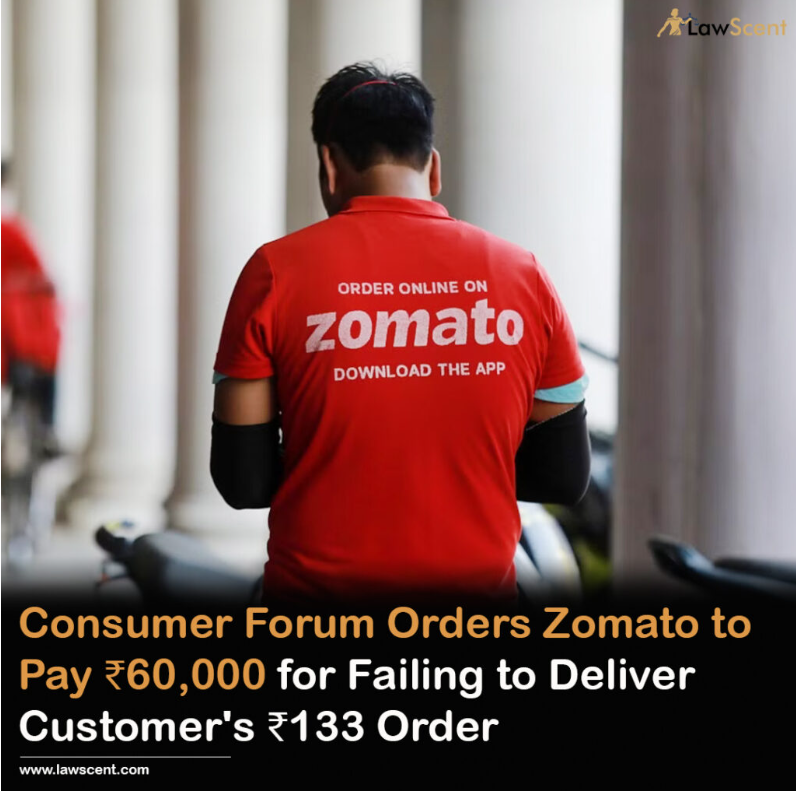
A consumer forum in Karnataka has ordered food delivery company Zomato to pay ₹60,000 to a woman for not delivering her momos order worth ₹133.25. The District Consumer Disputes Redressal Commission at Dharwad found Zomato guilty of providing poor service, causing the woman significant inconvenience and stress.
Case Details and Timeline
On August 31, 2023, the woman ordered momos through Zomato and paid ₹133.25 via G-Pay. She later received a notification that her order had been delivered, but she did not receive the food. When she contacted the restaurant, they informed her that the delivery agent had picked up the order.
She tried reaching out to the delivery agent through the Zomato website but got no response. The same day, she emailed a complaint to Zomato and was told to wait 72 hours for a response.
"After not hearing back from Zomato, she sent a legal notice on September 13, 2023, and eventually took the matter to the consumer forum."
Legal Proceedings
During the hearing, Zomato's lawyer denied the woman's claims and argued that the company had no legal ties with the delivery person or the restaurant. However, the Commission noted that although Zomato requested 72 hours to resolve the issue, they had not done so by the time the complaint was filed.
This raised doubts about the reliability of their promise. As a result, the Commission awarded the woman:
- ₹50,000 for the inconvenience and mental stress caused
- ₹10,000 for litigation costs
Zomato was represented by Advocate GM Kansogi.
Consumer Protection Implications
This case highlights the importance of the Consumer Protection Act and the rights of consumers in digital transactions. The decision reinforces that:
- Food delivery platforms are responsible for service failures
- Consumers have recourse through consumer forums
- Companies must honor their service commitments
- Compensation can be awarded for mental distress
- Timely response to customer complaints is mandatory
Precedent Setting
The case sets an important precedent for the food delivery industry and e-commerce platforms. It establishes that:
- Digital platforms cannot avoid liability by claiming third-party involvement
- Consumer complaints must be addressed within reasonable timeframes
- Non-delivery of paid services warrants compensation
- Consumer forums can award substantial damages for service failures
Impact on Business Practices
This ruling is likely to influence how food delivery companies handle:
- Customer service response times
- Delivery tracking and communication
- Complaint resolution mechanisms
- Quality assurance in their services
- Legal compliance with consumer protection laws
Consumer Rights Awareness
The case demonstrates that consumers have strong legal protections under the Consumer Protection Act, 2019. Key takeaways for consumers include:
- Right to receive promised services
- Right to seek compensation for poor service
- Right to timely resolution of complaints
- Right to be heard in consumer forums
- Right to seek damages for mental distress
Legal Framework
The District Consumer Disputes Redressal Commission operates under the Consumer Protection Act, which provides a specialized forum for resolving consumer disputes quickly and efficiently. The Act covers:
- Unfair trade practices
- Deficient services
- False advertising
- Product liability
- Digital commerce disputes
Industry Response
Food delivery platforms are likely to review their service agreements, delivery protocols, and customer complaint handling procedures in light of this ruling. The case emphasizes the need for:
- Better coordination between platforms and delivery partners
- Improved real-time tracking systems
- Enhanced customer communication
- Robust dispute resolution mechanisms
- Compliance with consumer protection regulations